

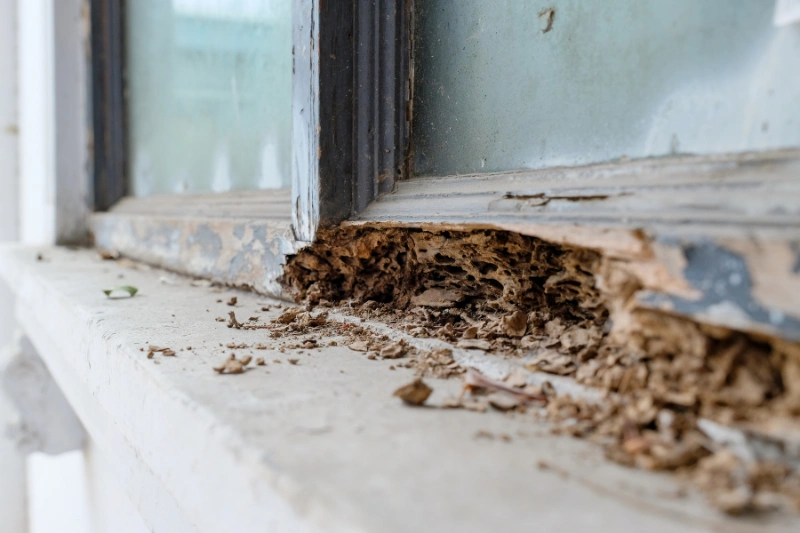
Yes. However, Missouri real estate law requires you to disclose any past or present wood-destroying insects (WDI) activity. Selling the house through traditional means can be a challenge since a past termite infestation can scare away retail buyers. Even FHA and VA loans can fall through due to unrepaired structural damage. Why spend thousands of dollars on repairs, structural engineering certifications or transferable termite bonds? You can sell the property as-is to a local cash buyer like Huck Buys Homes.
I arrived at a house near Blue Springs about 8AM. It was just another day at the office with a property discovery for a house that looked slightly decent on the outside. Yet, as I would be reminded almost constantly, the interior can tell a different story. The client was a gentleman who dealt with a localized termite infestation about three years ago.
“They did some damage to the structure to the point where I shelled out $10,000 just to get it fixed,” he told me. Fast forward to the present day and he’s frustrated with the retail housing market and the unreasonable demands from retail buyers. “Every time I mention there was a termite infestation, they’d bid me a good day and wish me good luck,” he told me with frustration. “Is it really that bad that I’m just telling people about a past history with termites?”
To be fair, he is following the law that Missouri requires when it comes to selling a house that has had past termite infestations. But it’s not his fault that retail buyers have gotten picky over the years. My team and I at Huck Buys Homes are not those kinds of buyers. We’ll make sure that you get the cash offer that is reasonable for you even if the property has had a history of termites in Missouri.
Short answer: Yes. Missouri law requires sellers to disclose known material defects. This includes previous or current termite activity. What I mean by that is that if you know the property has had termites at any point, you need to disclose it honestly on the Seller’s Disclosure Statement. It doesn’t matter if the infestation was treated fully about a decade ago. If you fail to mention it, you might find yourself in some legal hot water (civilly, of course).
I hear that termites aren’t just affecting the homes in Kansas City or Blue Springs. I’ve heard from a client all the way in St. Louis telling me about his termite problems. Yes, subterranean termites are common in this state due to the humidity and older housing stock. Even if the treatment has been professionally treated, many buyers begin to ask questions:
The questions are endless and those fears can kill a deal dead fast. So many frustrated clients I’ve worked with have told me who knows how many stories about retail buyers getting antsy about the littlest of things about the house they want to buy. Oh and let’s not forget the unreasonable demands that could easily be met if you had thousands of dollars laying around.
As cash home buyers in Missouri, we know that you don’t have the time let alone the patience to deal with such buyers. Which is why Huck Buys Homes can assist you in purchasing the house in as-is condition. You may be dealing with termite damage that costs a small fortune to fix. Maybe you’re behind on the property taxes. Sell it to use and we’ll handle everything necessary while you make the cleanest exit you can. No demanding questions, no nothing.
Most buyers in the traditional market can order a Wood Destroying Insect inspection or a WDI report. What the inspector is looking for isn’t just live termites. They’re looking for evidence of any previous activity or damage related to them. They spot the common red flags including:
I know that many sellers run into trouble here because of buyers wanting a WDI report. Even if the infestation has been over a decade ago, inspectors might still document visible termite damage to the house on that report. Buyers see it and so do lenders. The latter can even outright say “no” because of structural damage and the deal is as good as dead.
I had one Kansas City client tell me a traditional buyer with a VA loan said that the house he was trying to sell was not up to the lender’s standards. They basically told the buyer to look elsewhere because of termite damage. We buy houses in Kansas City that have termite damage, especially the ones where lenders tell their borrowers not to consider. It’s our decision to purchase the house, not some bank’s.
Technically, yes. As I mentioned before, it’ll be a difficult thing to do. Government-backed loans are a massive pain to navigate since they have strict guidelines about structural concerns. If the WDI shows unresolved damage, the lender can refuse to fund the mortgage until the repairs are completed.
Sellers are frustrated by this and the buyers can make more demands to the point where the repairs are made and the seller pays. It won’t be worth the trouble for most sellers anyway and the figures prove it. In Missouri, termite treatment can be anywhere from $1,500 to $3,000. Of course, you factor in the size of the home and the severity of the infestation.
But there’s more. You need to replace the damaged beams, joists, or sill plates. All of a sudden, that’s a $10,000+ repair bill you face. The words “inactive termite damage” or “previous termite damage” can turn off buyers. Even if the treatment, inspection contingencies, and repair estimates are made, it probably won’t be good enough for some buyers anyway.
If you still want to list traditionally, you can reduce buyer concerns in a few ways. But I want to be up front with you when I say this: it’s going to cost money and time upfront. Let’s take a look at what those are:
It can provide the buyer with an ongoing protection plan of sorts. This is where the pest control company agrees to continue monitoring and treating the property after closing.
This is yet another one of those things where a buyer wants proof that a home is structurally sound after termite treatment. You basically hire a structural engineer to inspect the property and certify that the damage was repaired correctly. This is important to FHA and VA transactions. Oh and let me remind you that engineering inspections and written reports don’t come cheap.
You need to gather all the treatment contracts, pest control invoices, receipts from repairs, warranty documents, and inspection reports. All that trouble with the perfect paperwork still won’t be enough.
For most homeowners, it’s not worth going through all that trouble with paperwork certifications, and who knows what else? Knowing how to sell your home to professional cash home buyers in Missouri should be something you can consider instead. My team and I at Huck Buys homes are ready to perform a property discovery and give you a reasonable cash offer. Also, I’d be very appreciative if you did disclose any termite damage or past infestations that you know about. It’ll give us a good idea of what needs to be done after closing.
No, you don’t have to pay for repairs or structural engineering before you sell to us. All you need to do is let us know what’s going on with the house including termite-related activities and we’ll do the heavy lifting from there after we purchase the house.
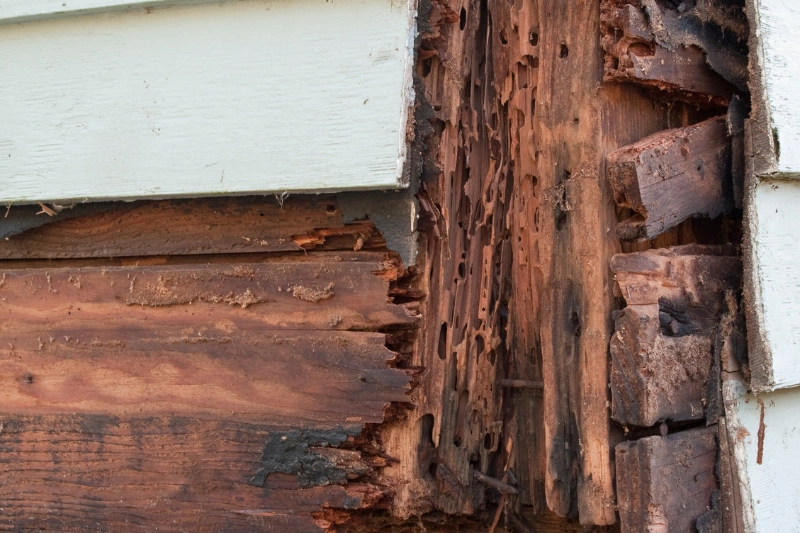
Yes. It is required by Missouri law that sellers provide a Seller’s Disclosure Statement that explicitly outlines any known history of wood-destroying insects regardless if the property was successfully treated in the past or not.
Yes. If the structural damage is discovered during the inspection, an appraiser or even a real estate agent will say that the damage needs to be repaired before the home’s value is approved. It can completely kill a traditional retail home sale or delay it for longer periods.
A termite history doesn’t mean your house is unsellable. The traditional market may turn away, but we won’t. Huck Buys Homes is ready to assist you in making sure your house can be sold as-is even with termite damage. All it takes is a property discovery from us and we’ll give you a cash offer that is reasonable. To learn more about how our process works, contact us today.