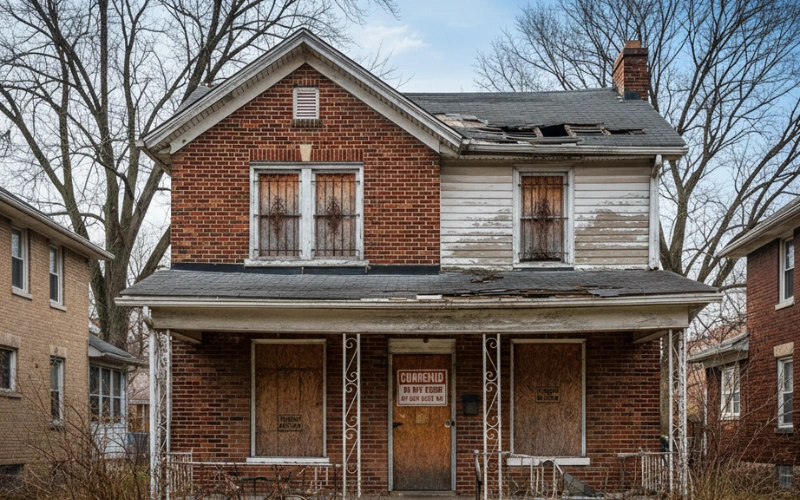
Finding out that your house has been condemned can feel like the rug’s been pulled out from under you. One day, you’re a regular homeowner dealing with daily life and regular maintenance. Next, you’re watching notices pile up as the clock ticks closer to various deadlines. At the same time, you might even be getting warnings from local government agencies. In Missouri, just having your house condemned doesn’t mean the city automatically takes it over. It does mean, however, that officials believe it poses health and safety hazards or serious building code violations.
While many homeowners assume that they can’t sell a condemned house, that’s not actually true. The process, however, is radically different from a conventional house sale. This guide is going to break down the process, so you’ve got the information you need to act in your best interest. We’ll cover how you can legally sell, and what options may still be on the table for you. Sometimes you don’t know just how heavy a load is until you’re the one carrying it, and a condemned property can be that exact burden. The good news is, there are ways out.
When a house is condemned, it means that a local government or fire department official has determined the property does not meet minimum housing standards. This will typically follow repeated building code violations, unsanitary conditions, or outright structural damage. Things like fire damage, water damage, pest infestation, lead paint, or infrastructure damage are some of the most common triggers.
Condemnation starts with a notice of violation that is delivered or posted by code enforcement or someone in zoning. If the issues continue unresolved, the city may then proceed with a formal notice of condemnation.
From this point, the home could end up labeled as a condemned building or as a public nuisance. At that point, the building could end up labeled as a condemned building, and subsequently cannot be occupied.
Most importantly, condemnation doesn’t erase property rights. You still own the home, so you still owe property taxes, and your mortgage loan doesn’t disappear either. What does change is your flexibility. Trying to fit changing repair timelines in with work plans and inspections leaves you bound by local agency processes.
If you’re an owner who doesn’t have much time or cash, alternatives like selling to Huck Homebuyers make a lot more sense. Particularly if stopping fines and other legal measures is important.
Yes. You absolutely can sell a condemned house in Missouri, but there are limits and caveats. A condemnation notice won’t stop your sale, but it will shrink your buyer pool considerably. It will also impact how that sale happens and how the deal closes. Traditional buyers can’t move on it because lenders and insurers won’t touch it.
This leaves cash buyers, local real estate investors, and buyers planning on major redevelopment. All sales must factor in code enforcement cases, code violations, and potential liens. Getting a solid title search will be critical for this, since tax liens or city fines will attach directly to the title. Cities like Kansas City see this fairly often, particularly in areas with a lot of abandoned homes or other urban blight.
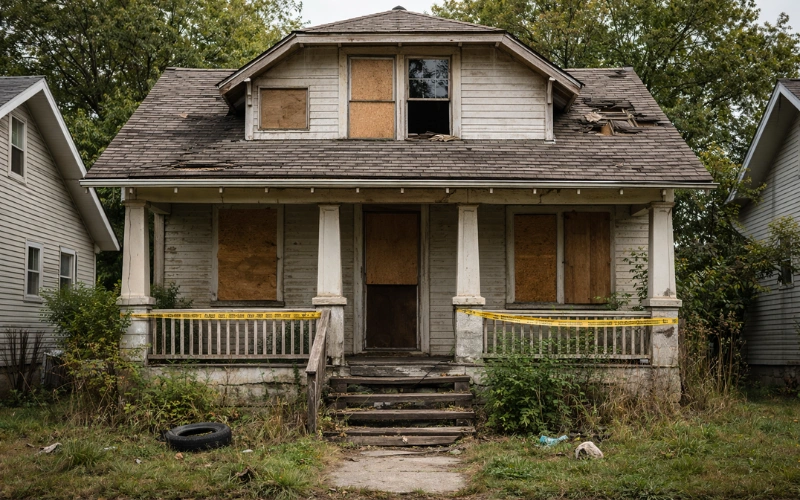
The biggest reason banks won’t finance a condemned home is that the loan is secured by the property. If the property fails to meet basic safety codes and building codes, the risk of an unrecoverable default is simply too high for the lender.
Condemned properties also involve things like structural damage, unsafe electrical systems, fire damage, or mold from water damage. Even buyers with strong credit will hit a roadblock once an appraiser flags the condemnation. This financing roadblock has a ripple effect, too. Fewer qualified buyers means fewer offers to consider, and growing pressure to sell.
In many Missouri cities and counties, the process of condemnation typically includes what’s known as the 50% rule. Each jurisdiction may have its own flavor or specifics, but the concept is more or less the same. If the projected cost to fix a condemned house is more than 50% of the property’s fair market value, a determination may be made that rehabilitation isn’t practical. This rule is most often in play when there’s foundation damage, or the type of damage associated with severe fires or long-term abandonment. At that point, code enforcement may switch from repairs to demolition.
For property owners, this is where the really tough math and honest conversations happen. Repair costs climb, property value plummets, and the window for meaningful action shrinks considerably. Even owners who want to fix the home may find themselves blocked or delayed by permits, deadlines, and a lack of or delays related to financing. When repairs aren’t an option, per local rules, selling the property as-is could be the most realistic and effective way forward.
Demolition is one of the biggest fears tied to condemned houses, and there’s a good reason for that. In Missouri, responsibility for demolition typically falls on the property owner, not the city or county. If a building is condemned and later declared a public nuisance, it could be scheduled for teardown. While the local government may handle the logistics, they’ll bill the owner afterwards.
These costs won’t just go away if unpaid, either. They’ll be referred for liens, which will attach to the property and block its sale until paid. It works very similarly to unpaid property taxes, so it’s best to pay them before they complicate any transactions.
The situation gets even harder when legal proceedings start. Once demolition orders are issued, timelines tighten, and options shrink. Acting early matters. Selling before demolition, even at a reduced price, can stop additional fines and prevent liens from being created. This way, you can walk away without carrying that financial weight long-term.
We mentioned before that a condemnation doesn’t wipe out your mortgage loan. Even if the house weren’t unsafe, you’re still responsible for the debt tied to that property. This comes as a huge surprise to a lot of homeowners, particularly when they’re already treading water with repairs and city deadlines.
Lenders also won’t typically pause payments because a house is condemned. Missed payments can push the loan toward default fast, which then opens the door to foreclosure. The risk grows even more when that condemnation is racking up fines and potentially costing you insurance coverage. Homeowners insurance generally limits, or completely denies, coverage tied to a property deemed uninhabitable. This means you’re paying out of pocket for it.

When a house is condemned, speed matters. Every month that passes can mean more fines, deeper legal issues, and a bigger hit to your property value. That’s why many owners turn to Huck Homebuyers instead of trying to fix problems they can’t afford.
Selling to a local cash buyer cuts through a lot of red tape. There’s no bank financing to derail the deal, no repair requirements, and no waiting for inspectors to sign off. Properties with code violations, dead trees, fire hazards, or even housing code violations can still be sold as-is. For owners in places like Lenexa, this approach often brings relief after months of pressure from city offices.
Here in the Show Me State, we put a high value on practicality. When something’s costing more than it’s worth, it’s time to change direction. A fast sale can stop city fines, prevent liens from growing, and give you a clean break without dragging the problem with you on your next adventure.
Just because your house is condemned doesn’t mean you’re out of options. It does mean, however, that you’re under time constraints. Knowing the general process, as well as your mortgage obligations and how the local government will react, are all important parts of the equation. Remember that demolition, repairs, renovations, and legal processes all cost time and money. For countless property owners, that cost just isn’t sensible, and holding on only makes things worse.
If you’re facing notices, fines, and municipal or county deadlines, being proactive can give you some control. The right way forward may not be about fixes, but about letting go. Choose the option that lets you exit the property, and all the responsibility, worry, and expense that comes with it. Reach out to Huck Homebuyers today to get your no-obligation cash offer and see if we can help you get to a better place.